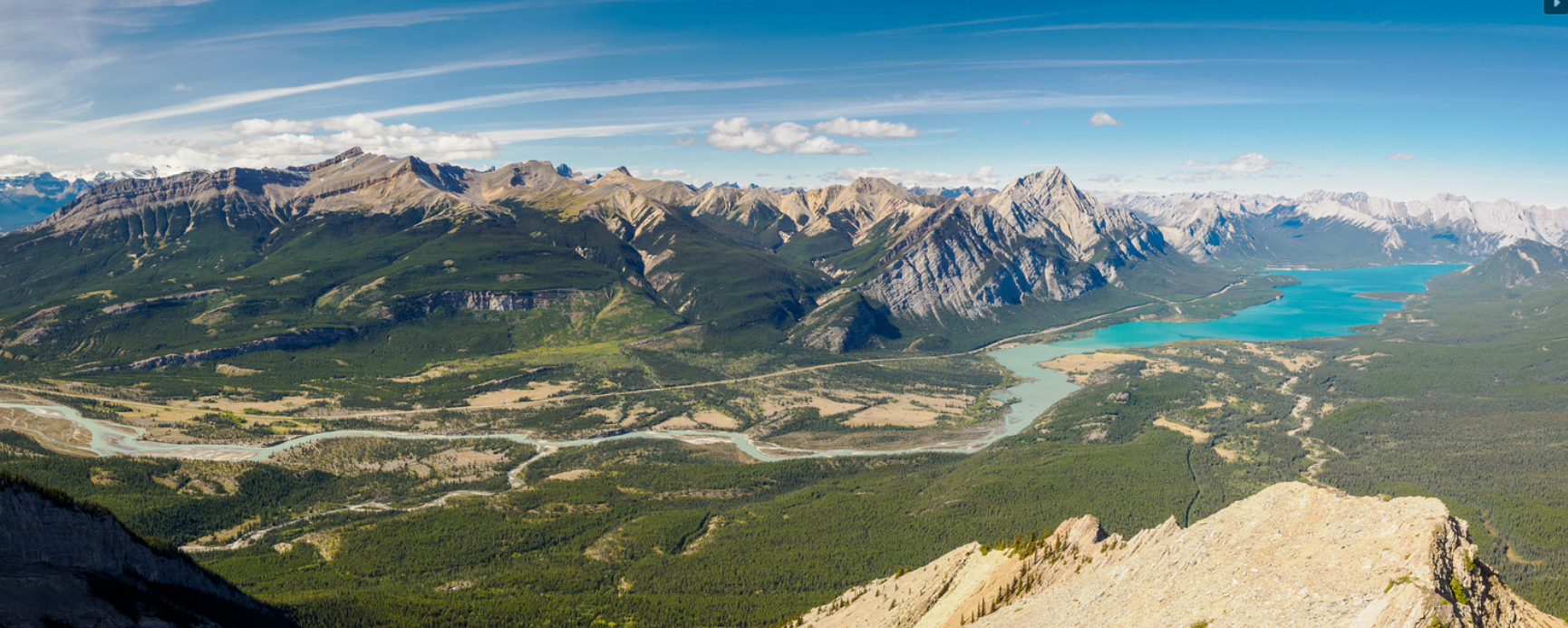
“The focus of heritage lies in places which (we) see, hear, touch (log cabins, mountains, rivers, plains). These are the parts of our heritage which (we) seek to protect, for the enrich our lives or tell us who we are.”
Pierre Berton, Heritage of Canada, Our Storied Past
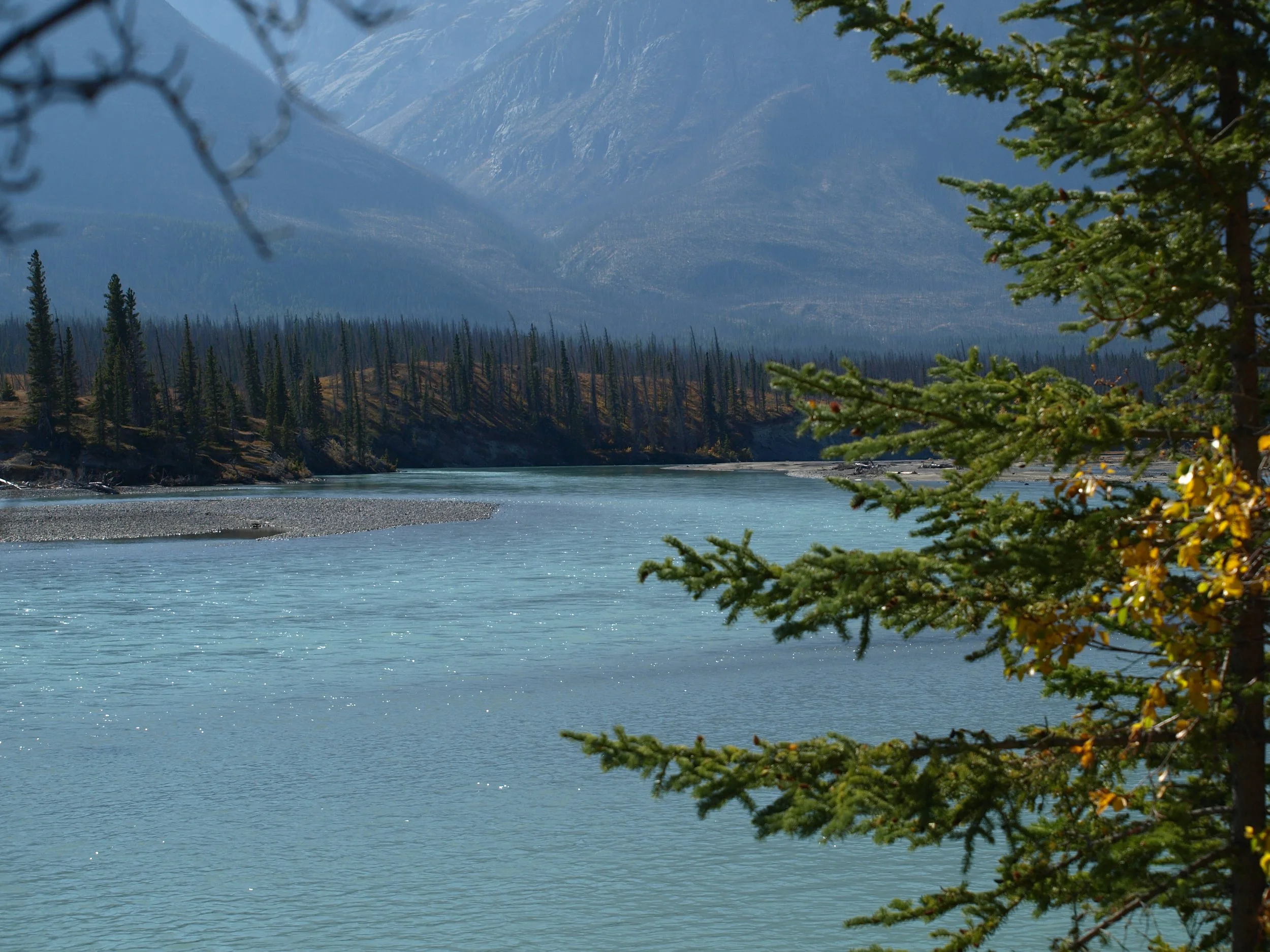
Land
The landscape of the Kootenay Plains and the Northern Saskatchewan River Valley was carved and shaped by the movement of glacial ice and the immense volumes of meltwater released during the last Ice Age.
River valleys and landforms were created through the geological processes of erosion, transportation, deposition, and tectonic activity over vast periods.
These diverse landforms in turn created the varied habitats that supported native plants and wildlife and provideed essential resources like water, shelter, and food.
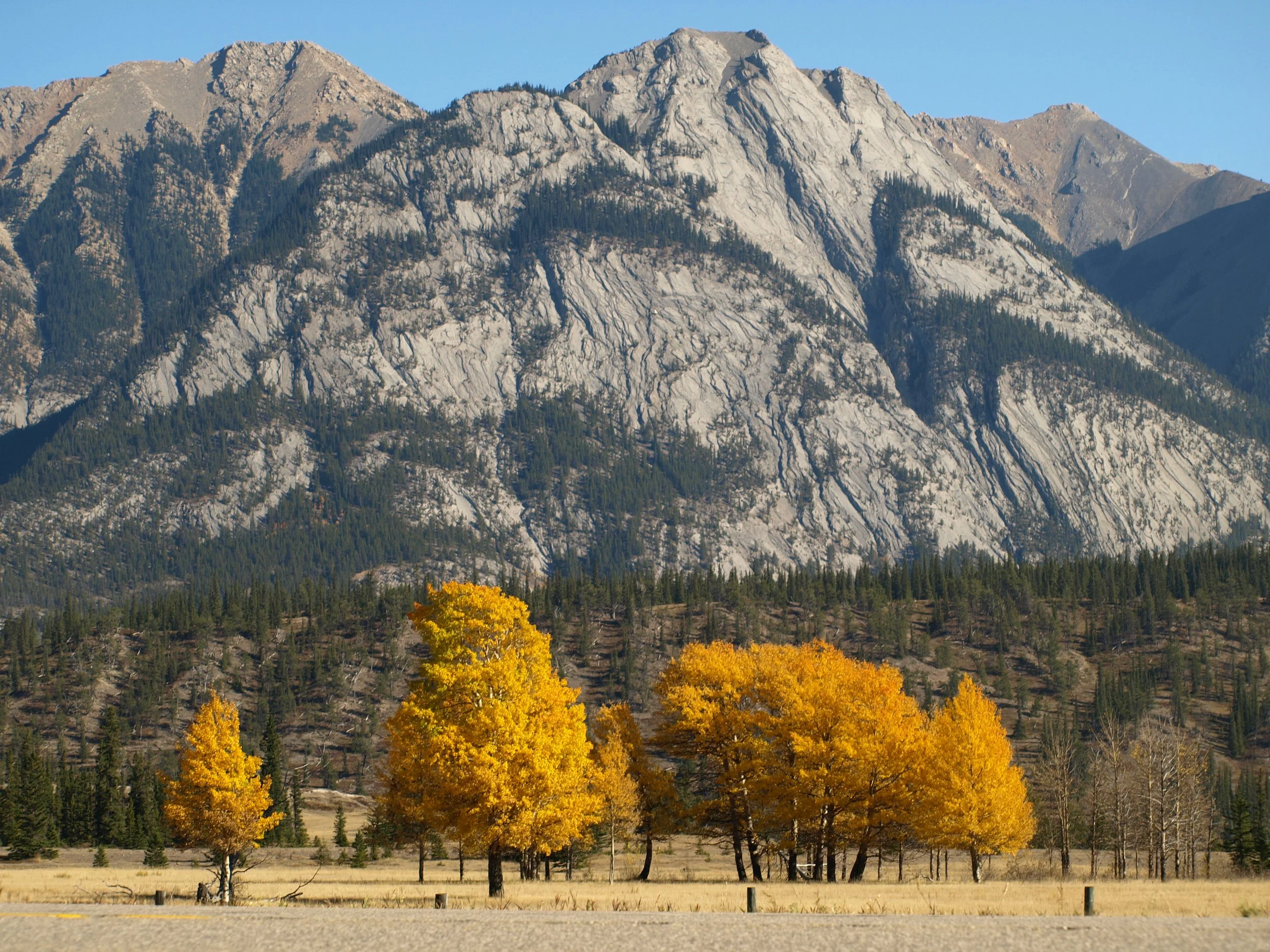
Forest
Plants, sedge and willow, became the pioneer species that helped to build soil for spruce, pine, fir, tamarack, poplar, aspen.
These conditions helped and allowed the entire forest ecosystem to develop over a time.
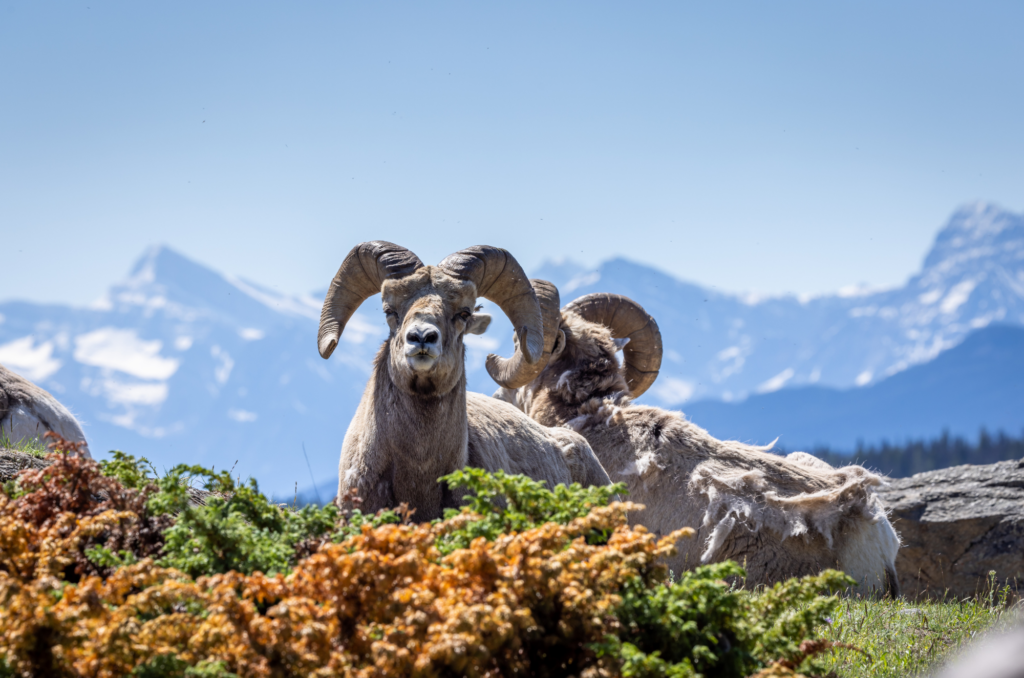
Animals
The various stages of forest succession started to provide a range of habitats that supported a diversity of large game species by offering specific food, shelter, and cover resources at different stages.
The Kootenay Plains and surrounding areas became the permanent home for bison, elks (wapiti), bears, bighorns and mule deer.
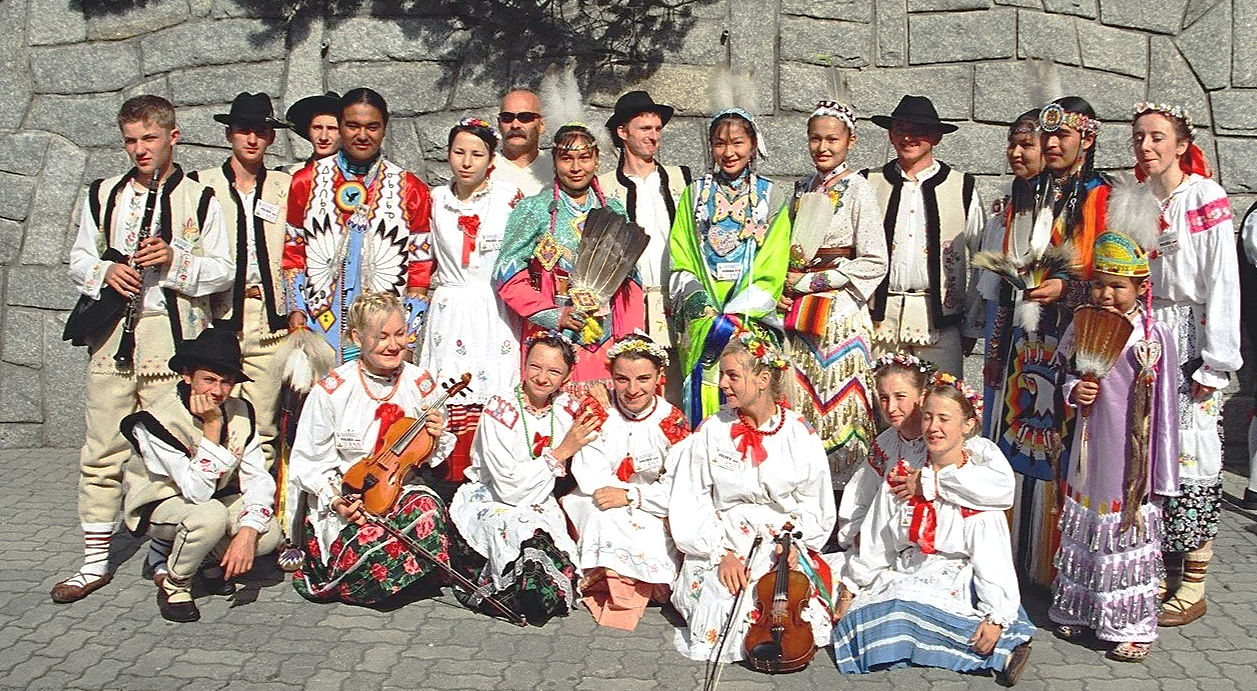
People
In the earth's history, humans always lived alongside and with the land and abundant wildlife.
The colonization efforts, from the late 17th century onwards, dramatically changed the culture of the First Nations who used this area as their hunting grounds.